Our vertical transportation team delivers expert engineering advice to ensure safe, efficient, and cost-effective movement within buildings. We provide tailored solutions that consider performance, compliance, and user experience across a range of building types and occupancies.
Our performance-driven process begins by establishing your specific sustainability metrics and targets. We integrate these with our advanced design, analysis, and simulation services, embedding sustainable practices into every stage of your project, from concept to construction and ongoing performance monitoring. Our team provides environmental impact assessments, compliance support, and tailored strategies to enhance energy efficiency, resilience, and cost-effectiveness, ensuring your building meets today’s regulations and tomorrow’s standards.
We design with resource efficiency at the core, focusing on reducing lifetime operational costs and maintenance needs while meeting legislative requirements like energy efficiency targets and paolicy frameworks. Our solutions optimise daylight, water use, insulation, glazing, and passive thermal performance to minimise greenhouse gas emissions and potable water consumption. We also prioritise occupant wellbeing through strategies that enhance air quality, natural light, and comfort, creating spaces that are both functional and nurturing.
With a focus on balancing speed, safety, and operational efficiency, we help deliver vertical transport solutions that align with project goals and enhance overall building performance.
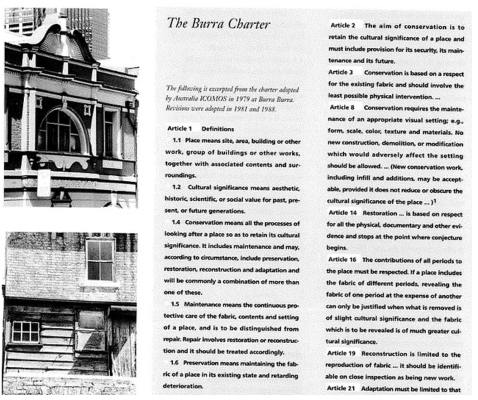
Nearly thirty years ago, I was out on the town in Sydney as a young pup running with colleagues from ARUP. That very day, archaeologists had discovered some early structures from Australia’s first settlement days on the current site of the NSW Conservatorium of Music, a site we had been working on.
Read MoreAustralia’s bushfire seasons are growing more intense and unpredictable. From blazing forests to communities that live on the fringe of bush, the threat of bushfire is now embedded in our national consciousness.
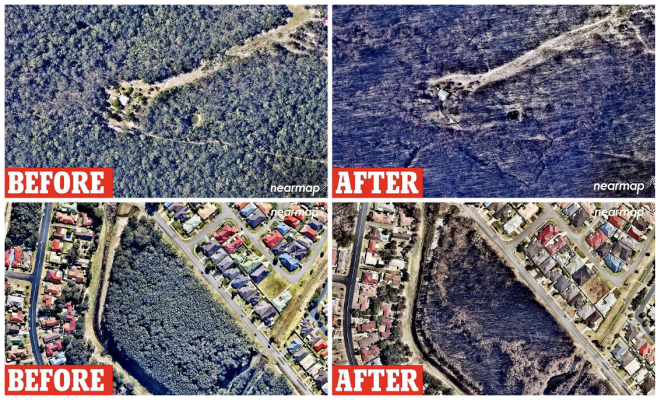
Read MoreList of commercially available materials for reducing bushfire radiation
Read MoreOur sustainability team blends practical construction experience with deep knowledge of sustainable design and performance standards. You’ll work directly with specialists who understand the realities of real-world projects and can deliver strategies that are both environmentally responsible and commercially practical.

Mechanical & Sustainability Engineer (3+ years experience)
Project Manager
Marketing
Talk to us about your project. We focus on acutely understanding your needs and finding solutions that integrate seamlessly with your design and construction goals. Our team will collaborate closely with you every step of the way, offering insight and practical know-how to ensure your project’s unique sustainability needs are efficient, compliant, and well-coordinated.
The answer depends on much more than building height. Occupancy, traffic patterns, tenant expectations and future flexibility all influence lift performance. SEED uses recognised traffic analysis techniques to determine the most efficient lift configuration, helping clients avoid unnecessary capital costs while delivering an excellent user experience.
Yes. Efficient vertical transportation reduces waiting times, improves tenant satisfaction and can even reduce the size of lift cores, releasing valuable floor space for other uses. SEED balances performance, cost and architectural integration to develop lift solutions that support the building's overall objectives.
Vertical transportation is about more than selecting lift equipment. SEED provides independent advice focused on performance, efficiency and whole-building integration. By coordinating closely with architects and other engineering disciplines, we help deliver lift systems that are reliable, practical to maintain and tailored to the specific needs of each project.